- Caregiver's Compass
- Posts
- The Gift of Their Life Story
The Gift of Their Life Story
Using Reminiscence Therapy in Dementia Care

Donna Chandler
November 4th, 2025
In partnership with

Your loved one's memories hold the key to moments of connection, calm, and joy—even as dementia progresses. Here's how to unlock those precious moments together.
You've probably noticed that your mom can't remember what she had for breakfast, but ask her about her wedding day and her eyes light up. She becomes animated, present, more like herself. That's the beautiful paradox of dementia: while recent memories slip away, older memories often remain vivid and accessible for surprisingly long.
Reminiscence therapy is one of the most powerful tools you have as a caregiver, and it's simpler than you might think. It's about intentionally creating opportunities for your loved one to recall and share memories from their past, especially from their teens, twenties, and thirties when memories tend to be strongest. These conversations don't just pass the time—they can reduce anxiety, ease agitation, spark joy, and give you both precious moments of real connection.
You don't need special training or expensive materials. What you need is curiosity about their life, patience when they tell the same story for the tenth time, and a willingness to meet them where they are. Let me show you some approaches that might transform difficult days into meaningful ones.
Creating Memory Boxes and Books: Bringing the Past Within Reach
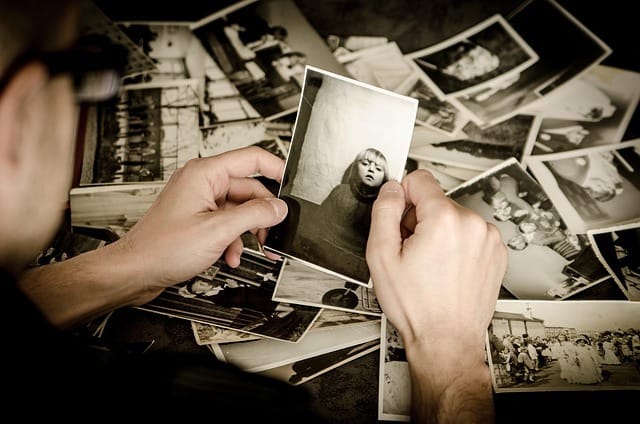
A memory box can become one of your most valuable caregiving tools. It's a collection of tangible objects from your loved one's past that they can see, touch, and hold—things that can spark memories and conversation even on difficult days.
Fill it with items that connect to their long-term memories: photographs from their childhood and young adulthood, letters they wrote or received, objects from their career or hobbies, fabric from a favorite dress, their father's pipe, a map of their hometown. The texture and weight of these objects can trigger memories in ways that words alone cannot.
Keep the box accessible and return to it often. You might sit together after lunch, pulling out one item at a time, asking gentle questions: "Who is this in the photo with you? Where were you? What do you remember about that day?" Listen more than you talk. Even if they tell you the same story they told yesterday, it's new to them in this moment, and the telling brings them comfort and purpose.
Memory books work beautifully too, especially if you create them together during a good period. Use clear plastic pages where you can include not just photos but captions with names and simple context: "Mary and John's wedding, 1952" or "My first car—a blue Chevrolet." As their dementia progresses, these captions become anchors, helping them connect the image to the memory.
Some caregivers create themed boxes or books: one for their parent's military service, another for family vacations, another for their years as a teacher. This gives you variety and lets you match the reminiscence session to their current mood and energy level.
Effective Reminiscing Techniques: Creating Moments of Connection
The most important thing to understand about reminiscence with someone who has dementia is this: it's not about accuracy or chronology. It's about the feeling the memory evokes and the connection you create in that moment.
Choose times when your loved one is typically calm and alert—often mid-morning or after a rest. Minimize distractions by turning off the television and finding a quiet, comfortable spot. Bring out a few items or photos rather than overwhelming them with too many choices.
Start with open-ended questions: "Tell me about this photo" or "What was it like growing up on the farm?" If they struggle, offer gentle prompts: "Is that your sister standing next to you?" But never quiz them or correct their memories. If your dad says the photo is from 1945 when you know it's from 1955, let it go. The date doesn't matter. The memory and the joy it brings do.
Follow their lead. If they want to talk about the same story again, let them. There's comfort in repetition. If they shift from one memory to another in ways that seem random to you, go with them. The connections make sense in their mind, even if you can't see the thread.
Use all the senses. Play music from their era—the songs they danced to, the hymns they sang in church. The response can be remarkable. Bring familiar scents: baking bread, coffee brewing, their favorite perfume. Look through old cookbooks together. These sensory triggers can unlock memories that photographs alone cannot reach.
Watch their body language. If they become agitated or sad, gently redirect to happier memories or a different activity altogether. But also know that sometimes tears are okay. They might be remembering their mother or a friend who's gone, and those bittersweet memories are part of their story too. Sit with them in it. Your presence matters more than your words.
Digital Solutions for Preserving Memories: Tools That Can Help
Technology offers some wonderful options for dementia care, though you'll want to keep things simple and not let the tech get in the way of the connection.
Digital photo frames that slowly rotate through old family photos can provide gentle, ongoing reminiscence without any effort. You can load them with dozens of images from your loved one's past, and they'll cycle through automatically. Place one where they spend time sitting, and watch how often their attention drifts to it.
Tablet apps designed for dementia can be helpful. Some allow you to create simple digital memory books that are easy to navigate with large photos and minimal text. Others play era-appropriate music or show videos from the past. The key is keeping the interface simple enough that it doesn't cause frustration.
If your loved one still recognizes family members in video calls, recording short video messages from grandchildren or siblings can be wonderful. They can watch these repeatedly, hearing familiar voices and seeing beloved faces. Just keep the videos brief—a minute or two—so they don't become overwhelming.
That said, don't feel pressured to use technology if it doesn't feel right for your situation. A simple photo album you can hold together, turning pages slowly, often works better than any screen. Trust what you know about your loved one and what brings them peace.
When to Approach Reminiscence with Care
While reminiscence therapy is generally beneficial for people with dementia, you need to watch for signs that it's not helping in a particular moment or with certain memories.
If your loved one becomes consistently distressed when looking at photos of their spouse who has passed away, or if certain memories trigger agitation rather than comfort, honor that. You can quietly remove those items from the memory box and focus on memories that bring peace.
Some people with dementia experience what's called "time confusion"—they might believe they need to go pick up children from school or get ready for work. In these moments, reminiscence about those periods of their life might reinforce the confusion rather than comfort them. Gentle redirection to the present, or shifting to different memories, works better.
In later stages of dementia, your loved one might lose the ability to engage with photographs or objects meaningfully. That's okay. You can still play their favorite music, stroke their hand, and speak gently about happy times, even if they can't respond. The emotional comfort of a loving presence and a familiar voice still matters.
Also remember that this work is emotionally demanding for you. Hearing the same stories repeatedly, watching your parent become someone different, navigating their confusion—it takes a toll. If reminiscence sessions leave you feeling depleted rather than connected, it's okay to take breaks or ask another family member to share this responsibility. You can only give from a full cup.
Conclusion
Your loved one's life story doesn't end with their diagnosis. Every experience they've lived, every person they've loved, every challenge they've overcome—it's all still there, woven into who they are. Reminiscence therapy gives you a way to honor that story and help them stay connected to themselves, even as dementia tries to pull them away.
These memory sessions are gifts for both of you. For them, they provide dignity, identity, and moments of clarity and joy. For you, they offer glimpses of the person you've always known, reminders of the full life they lived before this disease. You're not just managing symptoms; you're cherishing a human being.
This caregiving journey is hard. Some days will be harder than others. But on the days when you sit together looking at old photographs, when their face lights up remembering their first dance or the house they grew up in, when you get that flash of real connection—those moments will sustain you both.
Your Plan of Action
This week, create a simple memory box for your loved one. Find a sturdy box or basket and gather just five to ten items: a few photographs from their young adulthood, an object from their work life or hobby, perhaps something textured they can handle like a piece of fabric or a tool they once used. Keep it manageable.
Set aside thirty minutes when they're typically at their best. Sit somewhere comfortable with good light, minimize distractions, and bring out the box. Take items out slowly, one at a time. Ask gentle, open questions and really listen to their responses. Let silence be okay. Don't rush. If they want to hold something for a while or tell the same story they told last week, let them.
Notice what gets the strongest positive response—a certain photo, a particular object, a specific type of memory. Make note of it so you can return to those things in future sessions. Pay attention to what doesn't work too, and quietly set those items aside.
If creating a box feels like too much right now, start even simpler: play music from their era during your time together this week. See what happens. Sometimes a song does what a thousand words cannot.
You're doing sacred work, preserving your loved one's dignity and identity in the face of a disease that tries to steal both. Every moment you spend honoring their story is a moment of love, and it matters more than you know.
Looking for unbiased, fact-based news? Join 1440 today.

Join over 4 million Americans who start their day with 1440 – your daily digest for unbiased, fact-centric news. From politics to sports, we cover it all by analyzing over 100 sources. Our concise, 5-minute read lands in your inbox each morning at no cost. Experience news without the noise; let 1440 help you make up your own mind. Sign up now and invite your friends and family to be part of the informed.
How did you like today's newsletter? |
Click here to see my newsletter for Male Caregivers of Loved Ones with Dementia
Reply